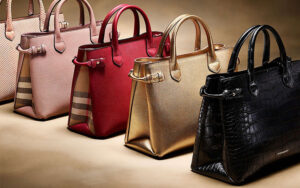
Let’s be honest for a second… In 2026, the way we define “luxury” has totally shifted. The era of flashy, in-your-face logos has officially taken a backseat to the Quiet Luxury aesthetic. We are getting so much smarter with our money—we want the craftsmanship, the heritage feel, and the effortless style, but we are absolutely done paying for the hype.
If you’re thinking about investing in your first classic designer bag, let’s step outside the boutique for a minute. Today, we’re doing a deep dive—a purely technical breakdown—comparing authentic boutique bags with top-tier AAA Quality pieces. Let’s strip away the marketing halo and look at the real value. 👇
1. Materials & Leather: The Tactile Reality 🤌
The magic of a true designer bag lies in the leather. But here is the industry’s open secret: the supply chain is incredibly transparent now. Top-tier AAA workshops often bypass the brand middlemen and source their hides (think premium Togo, Epsom, or Caviar) straight from the exact same European tanneries, like Haas or Weinheimer in Germany.
What does that mean for you? That buttery, pore-rich texture, the distinct, natural leather scent right out of the box, and that gorgeous patina it develops after months of wear—it’s all there. You aren’t compromising on the soul of the bag.
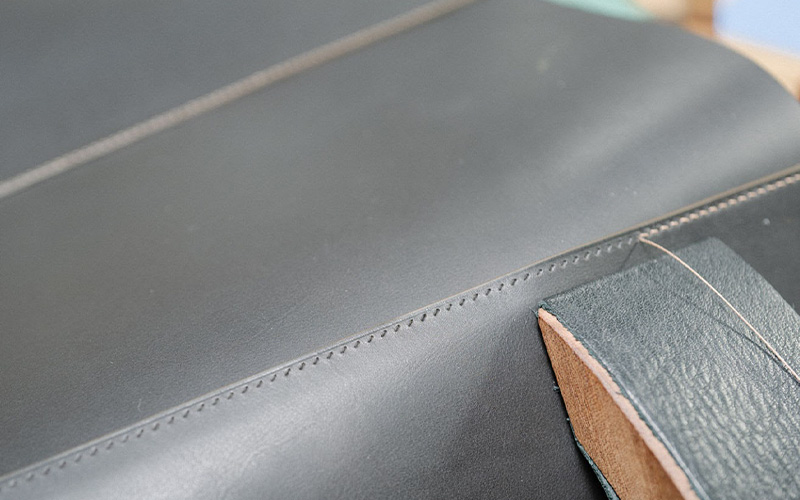
2. Stitching: The Artisan’s Touch 🧵
That iconic, slightly angled saddle stitch used to be the ultimate moat for legacy brands. Not anymore.
AAA-level artisans are just as obsessed with the details. They use the exact same French Fil au Chinois waxed linen thread, hand-stitching every single seam. The tension, the stitch density, the precise angle, and the neat backstitching at the corners… it’s a 1:1 reflection of traditional craftsmanship. Structurally and visually, it’s virtually indistinguishable.
3. Hardware: The Weight of Quality ⚖️
This is usually where cheap alternatives fail miserably—feeling light, sounding hollow, or fading after a month.
True AAA quality hardware strictly respects the physics of the original. We’re talking solid brass or stainless steel base metals, finished with heavy, real gold or palladium plating. The micro-engravings are crisp and deep, the edges are smoothly polished, and the weight feels substantial and cool in your hand. It catches the light with that same sophisticated, cold gleam.
4. Packaging: The Unboxing Ritual 🎀
Half the fun of buying a luxury piece is the unboxing experience, right?
That ritual is completely preserved. From the heavy-weight, textured gift boxes and the specific gram-weight of the dust bag, to the perfectly tied ribbon and crisp care booklets. The full boutique aesthetic is delivered right to your vanity, giving you that same hit of dopamine without the guilt.
5. Price: The Reality Check 💬
Here is the real talk. When you swipe your card at a boutique, you are paying a massive “Brand Tax.” You’re funding their global marketing campaigns, their celebrity ambassadors, and the exorbitant rent of their flagship stores.
With AAA quality, you’re only paying for the premium raw materials and the artisanal labor. Getting 99% of the tactile and visual boutique experience for a fraction of the cost? That’s not “settling”—that’s just smart, empowered financial energy. 💸
True luxury shouldn’t be a financial burden; it should be an effortless extension of your personal style. For the modern, financially independent Gen Z woman, why pay the brand tax when you can invest that extra budget back into yourself—whether that’s a stock portfolio, a startup, or a flight to Europe? ✈️🤍
Ready to navigate the luxury landscape like a true insider? I’ve put together a comprehensive deep-dive on how to shop smart, bypass the hype, and redefine value this year. You have to check out my full technical breakdown on Medium:
👉 Deconstructing the Brand Tax: The Gen Z Woman’s 2026 Technical Manual for Her First Designer Bag